The Safety Challenge in Australian Construction
Construction remains one of the most dangerous industries in Australia and New Zealand. Safe Work Australia reports that the construction sector accounts for roughly 12% of all workplace fatalities — and that's just the tip of the iceberg when you factor in serious injuries, near-misses, and chronic health conditions.
Traditional safety management relies on manual inspections, paper-based checklists, and toolbox talks. These methods work, but they're inconsistent, time-consuming, and difficult to scale across multiple sites.
Where AI Fits In
Artificial intelligence isn't replacing safety officers — it's giving them superpowers. Here's how AI is being applied to construction safety right now:
Automated Hazard Identification
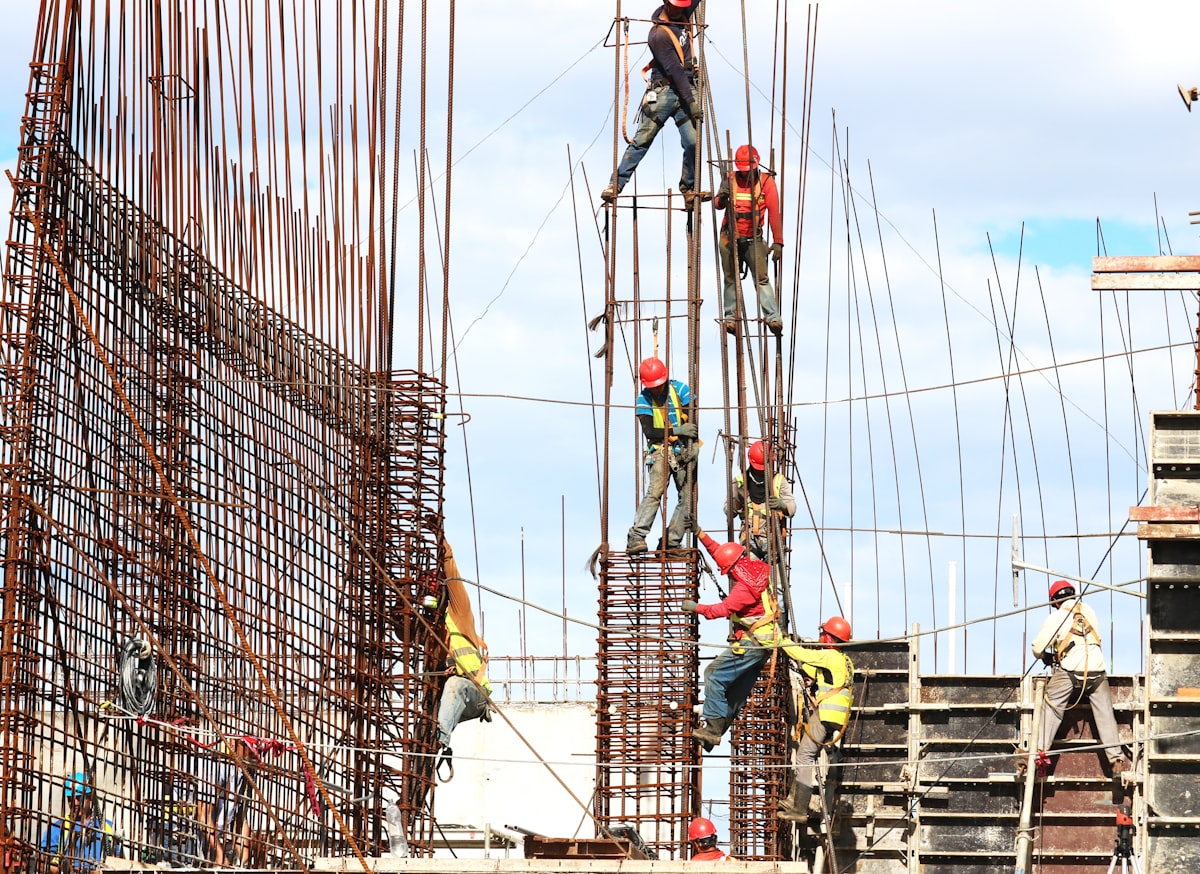
Computer vision systems mounted on site cameras or drones can continuously scan for hazards: unsecured scaffolding, blocked emergency exits, missing edge protection, workers in exclusion zones. When a hazard is detected, the system alerts site supervisors immediately — not at the next scheduled inspection.
PPE Compliance Monitoring
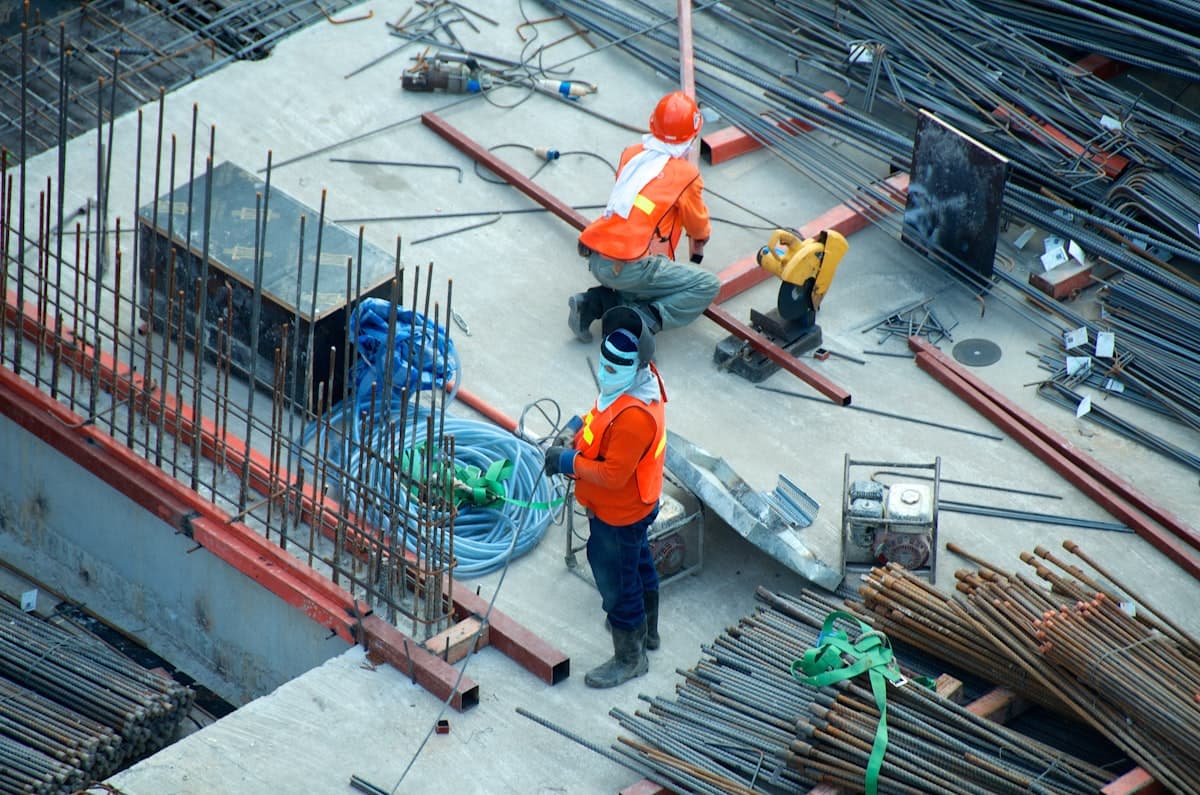
AI-powered cameras can detect whether workers are wearing required personal protective equipment: hard hats, high-vis vests, safety glasses, gloves. Rather than relying on spot checks, the system monitors continuously and flags non-compliance in real time.
Predictive Risk Analysis
By analysing historical incident data, weather conditions, project phase, and workforce patterns, AI can predict when and where safety incidents are most likely to occur. This allows safety teams to deploy resources proactively rather than reactively.
Automated Documentation
One of the biggest drains on safety officers' time is paperwork: SWMS, JSAs, incident reports, inspection logs. AI tools can auto-generate safety documentation from site data, pre-fill forms based on the activity being performed, and even draft incident reports from field notes and photos.
Real-World Results
Early adopters of AI safety tools in Australia are seeing measurable improvements:
- 60% faster hazard reporting — from identification to action
- 35% improvement in PPE compliance on monitored sites
- 25% reduction in recordable incidents within the first year
- 50% less time spent on safety documentation
These aren't hypothetical numbers. They're coming from commercial construction sites in Sydney, Melbourne, and Auckland.
Compliance with WHS Regulations
Australian construction teams operate under the Work Health and Safety Act 2011 and its state-level equivalents. In New Zealand, the Health and Safety at Work Act 2015 sets the framework.
AI safety tools help with compliance in several ways:
- Audit trails — every detection, alert, and action is logged automatically
- Consistent standards — the system applies the same rules across every site, every shift
- Proactive duty of care — demonstrating that you're using best-available technology to identify and mitigate risks strengthens your safety case
Getting Started
You don't need to wire up every site with cameras on day one. A practical starting point:
- Pick one high-risk activity — working at heights, crane operations, or confined spaces
- Deploy monitoring on a single site — learn what works before scaling
- Integrate with your existing safety system — the AI should feed into your current reporting workflows, not replace them
- Review and refine — AI models improve with feedback, so close the loop between detections and outcomes
The Human Element
AI handles the monitoring, pattern recognition, and paperwork. Humans handle the judgment, empathy, and culture. The best safety outcomes come from combining both — using technology to free up safety professionals to do what they do best: engage with workers, build safety culture, and make the hard calls that algorithms can't.
Technology doesn't replace good safety leadership. It amplifies it.
Interested in how AI can strengthen your safety program? Let's talk.